Every Kid Outdoors Can Change the Shape of a Family Road Trip
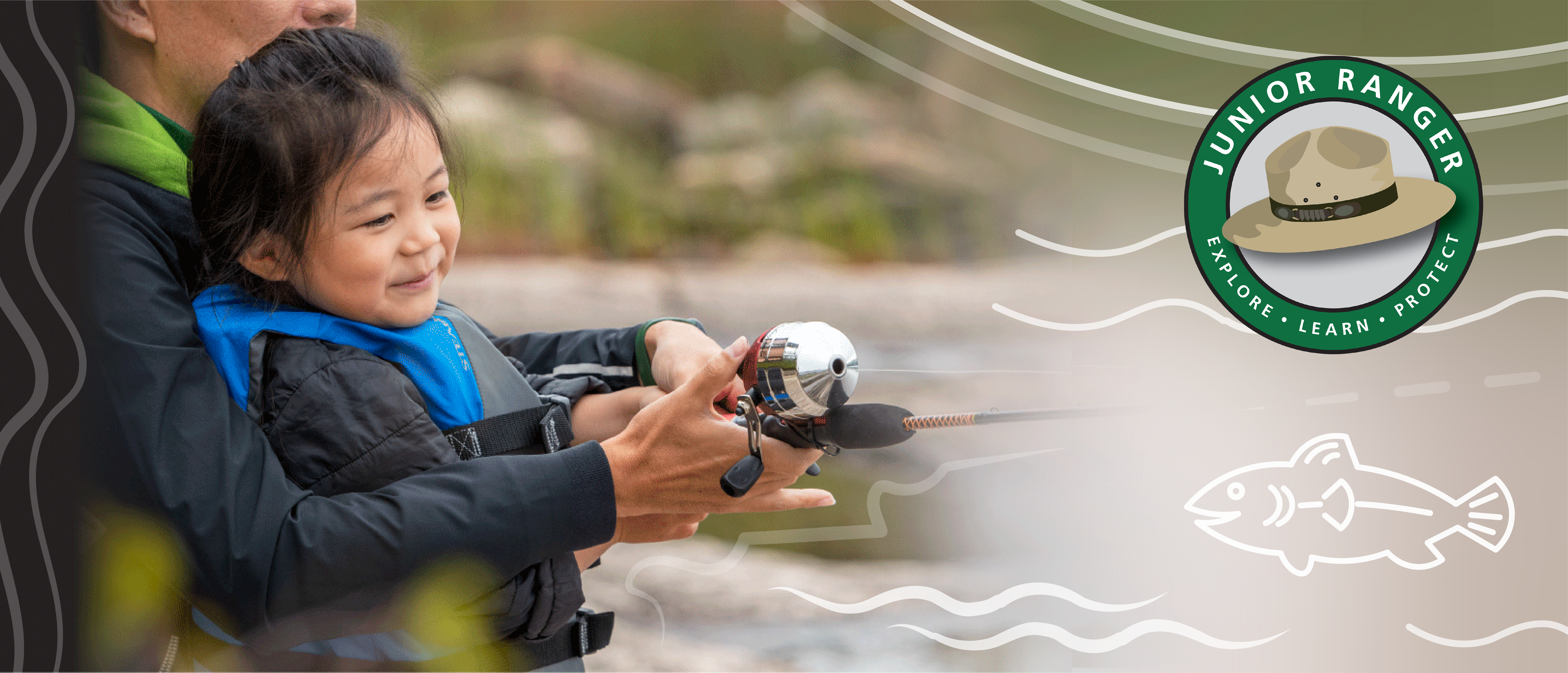
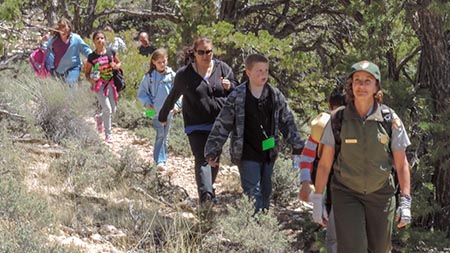
Family road trips often change shape once the route includes national parks. Stops become less about filling time and more about deciding which experiences are worth the energy they require. The official Every Kid Outdoors program makes that planning shift even more visible by reducing the barrier to entry for eligible families, while the National Park Service's Junior Ranger program gives children a practical role once they arrive.
That pairing matters for stroller wagon families because it encourages a more thoughtful kind of trip. Instead of trying to see everything, the family can build around a handful of worthwhile stops, each with a clear purpose. The stroller wagon then fits into the day as support for those transitions: from parking area to overlook, from visitor center to short trail, from one tired child to the next reset.
What Every Kid Outdoors Changes About the Decision to Stop
For eligible families, the Every Kid Outdoors program does more than reduce a fee. It changes the framing of the decision to visit a public land at all. When entry feels like a realistic option rather than a special-occasion expense, national parks and monuments start appearing differently on a road-trip map — as actual stops worth planning around rather than places to drive past and consider for a future trip.
The program is designed for fourth graders, including homeschool and free-choice learners of the same age, with entry rules explained on the official program pages. Families should read those details directly. What the program does practically is shift the planning calculus: a park stop becomes a cost-appropriate part of an ordinary week of travel, not a decision that requires separate justification.
That shift matters for how families build their route. When the barrier to stopping is lower, the trip can afford to include a few shorter, more purposeful park stops rather than one overwhelmingly ambitious one. That usually produces a better road trip for families with young children, who tend to do better with fewer transitions done well than more transitions done quickly.
Building a Road Trip Around Fewer, Better Stops
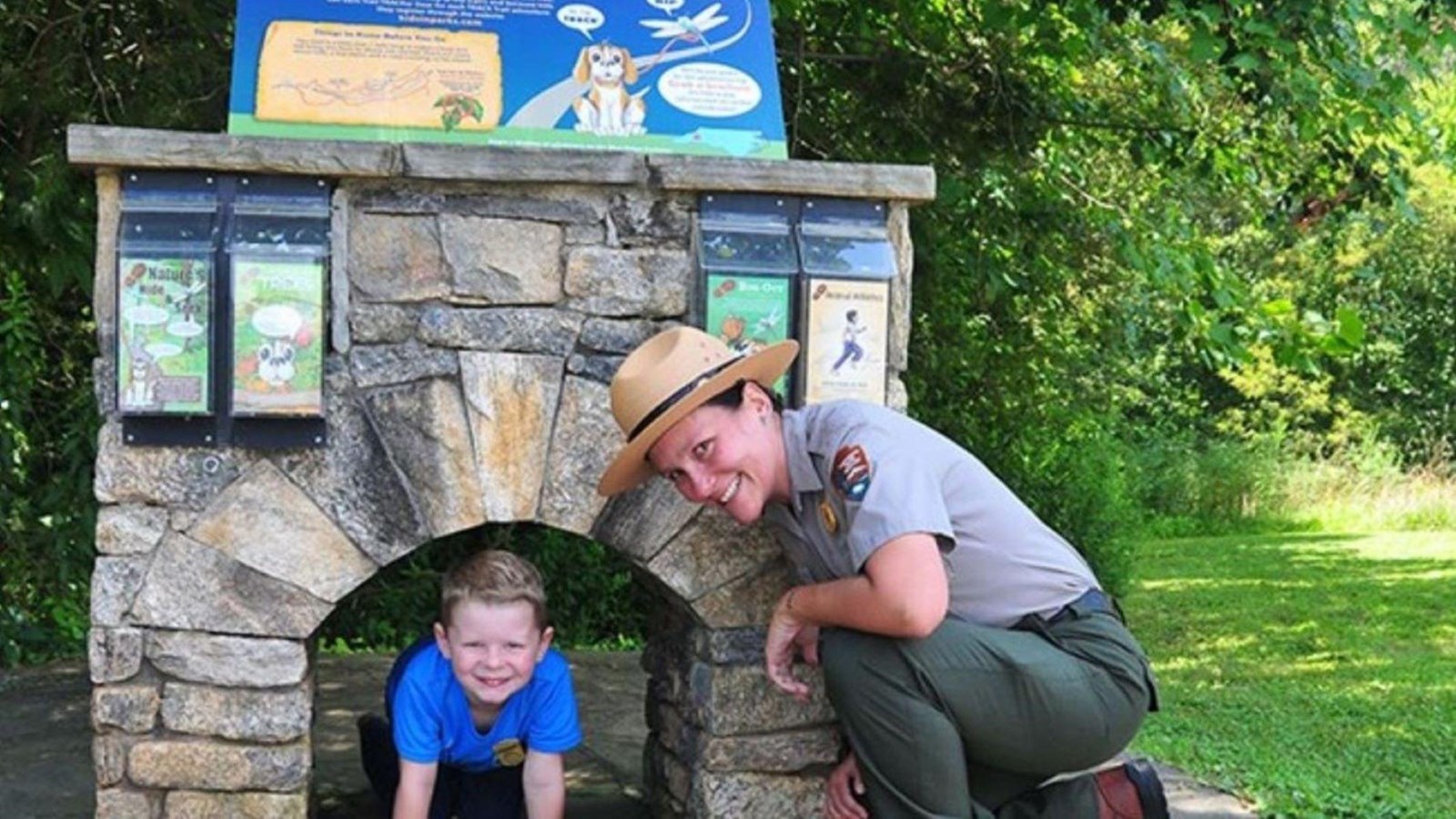
The Junior Ranger framework is what gives those stops shape once the family arrives. Without it, a national park visit can feel like a collection of views and parking lots. With a booklet activity or a ranger-led program, the stop becomes a place where children have something to notice, complete, or ask about. That structure makes even a short visit feel purposeful rather than abbreviated.
The combination of an access program and a child-participation framework produces a particular kind of travel rhythm: drive, arrive with a clear intention, engage at a child-appropriate scale, reset, and move on before the stop exhausts its welcome. That rhythm is more sustainable than trying to extract maximum value from every site.
For families with children at different stages, the stroller wagon fits inside this rhythm at the logistics level. One child may be ready to work through a booklet activity on foot. Another may need a dependable sitting spot, a drink, and somewhere to put the jacket when the weather changes. The wagon keeps those practical pieces together without requiring adults to reorganize the car at every stop.
What the Wagon Does and Does Not Manage on This Kind of Trip
The most useful way to think about a stroller wagon on a national park road trip is as a stop-management tool, not a trip-management tool. It should make the experience more coherent once the family has parked, not justify bringing more equipment into every site than the visit actually needs.
One of the most common road-trip habits that works against this is overpacking each stop because the car is nearby. A wagon encourages the opposite: carrying the essentials for one good stop well rather than supplies for every possible contingency. Water, a layer, lunch or snacks, activity materials, and one comfort item per young child usually covers what the stop actually requires.
Site conditions still vary. A developed visitor center campus, a short interpretive walk, or a paved monument trail may suit a stroller wagon comfortably. A rugged or steeply graded trail will not. Planning around the developed portions of each stop — and using Junior Ranger materials as a natural pacing device — usually produces a more satisfying result than trying to fit the wagon into every part of the day.
Sarah Johnson
Senior Editor
Parenting expert and stroller wagon enthusiast with over 10 years of experience in testing and reviewing baby gear.
Tags
Sarah Johnson
Senior Editor
Still have questions?
Can't find what you're looking for? Our team is here to help! Whether you need clarification, have a specific question, or want to learn more about our services, we'd love to hear from you. Let's get you the answers you need.
Contact usFAQ
The program is designed for fourth graders, including homeschool and free-choice learners of the same age, with access rules explained on the official program pages.
It fits best as part of the stop-to-stop routine: carrying layers, snacks, booklets, and helping younger children recover during shorter walks rather than serving as an all-terrain solution.
Stay Updated
Get the latest stroller wagon industry news, trends, and insights delivered to your inbox weekly.
No spam, unsubscribe anytime. Read our privacy policy.