Why a Stroller Wagon Fits the Rhythm of a Family Camping Weekend
Families often imagine camping as one seamless outdoor day, but official guidance from the National Park Service and Recreation.gov points to a slower, more staged rhythm. Start small. Keep expectations realistic. Give children age-appropriate jobs. Build the trip around manageable moments rather than a long list of wins.
That advice matters even more for families already traveling with a stroller wagon. In a campground setting, the wagon is usually less about adventure imagery and more about pace. It can make arrival, mealtime setup, and the late-afternoon slowdown feel less fragmented, especially when children are still young enough to drift between helping, resting, and snacking in short bursts.
How the Campground Already Favors a Slower Rhythm
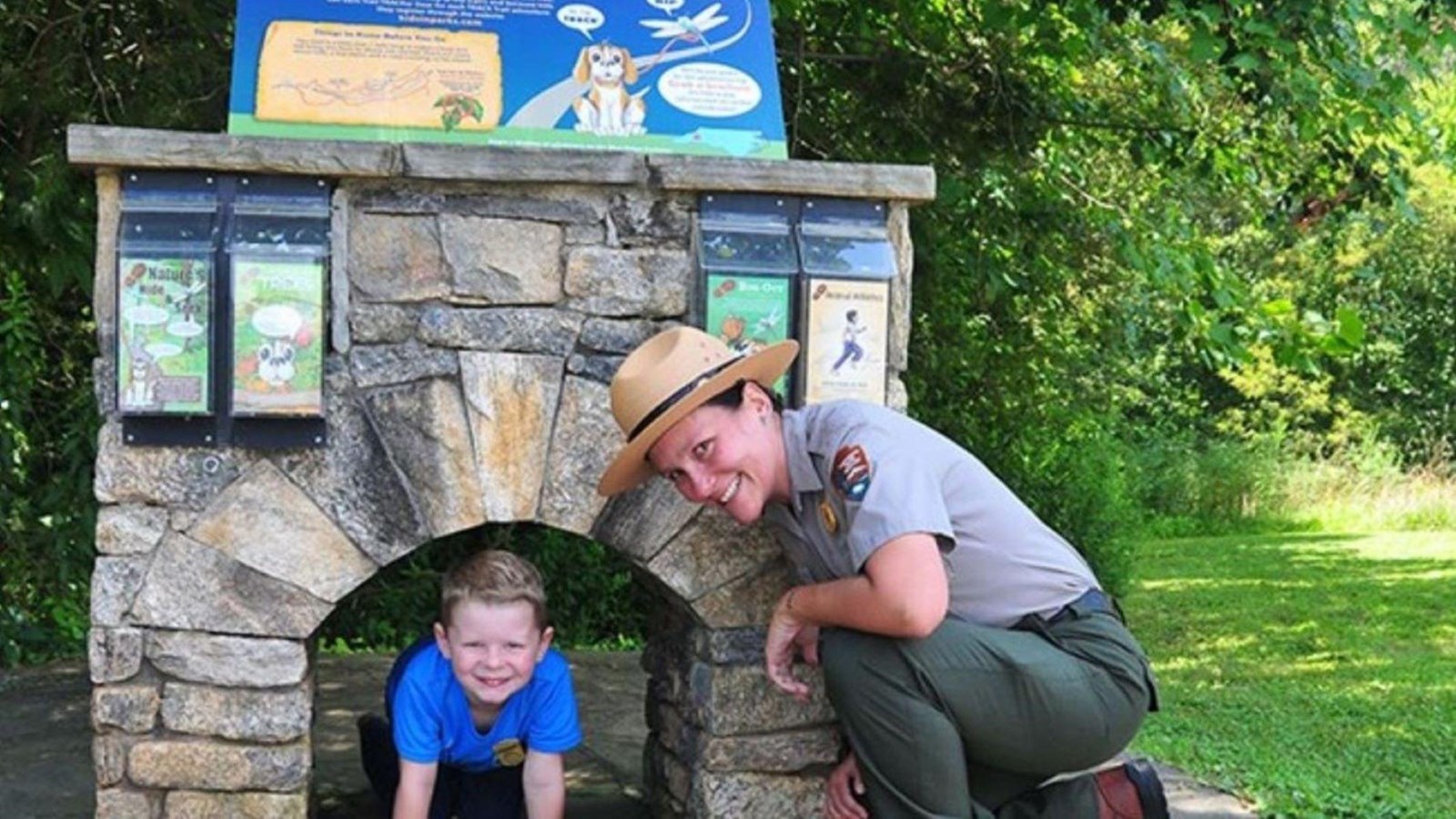
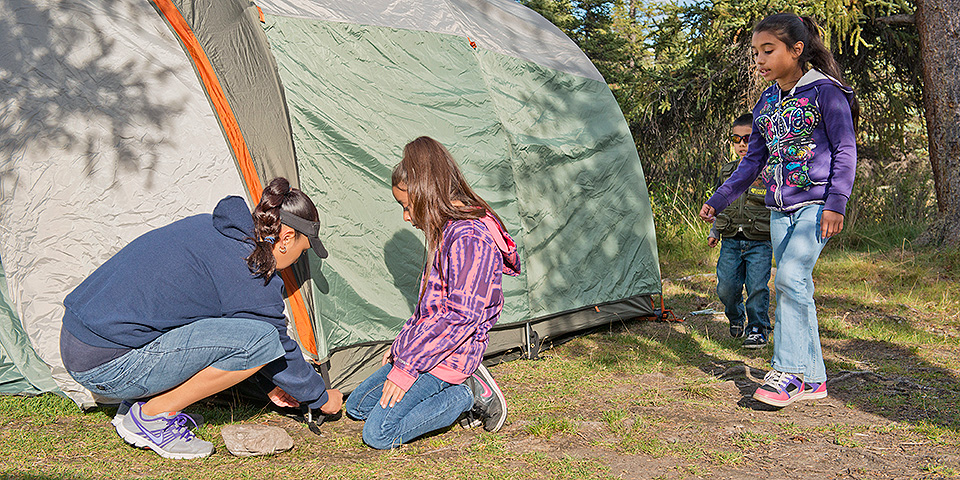
The NPS camping-with-kids guidance is not about adventure. It is about participation and pace. Children are encouraged to help with small jobs: gathering items, carrying lighter supplies, taking on a task that makes them feel part of the setup rather than observers waiting for adults to finish. Recreation.gov's family camping advice leans the same way, recommending shorter, more manageable first outings rather than front-loading the trip with too many destinations.
That baseline is useful before a stroller wagon ever comes into the picture. Both guidance pages describe a kind of camping that is built around the campsite as home base: a place to return to, reset at, and organize around. Once that is the frame, the stroller wagon fits naturally into it. It supports the stop-and-start structure of a campground better than a family trying to carry every soft item, snack bag, and extra layer separately between car and site.
The wagon does not need to carry everything from the trunk to justify its presence. Its value is more specific. It reduces the number of loose items moving in different directions at the same time. A child can sit while shoes are changed. Flashlights, towels, and a jacket can stay in one place. The walk from the parking area to the picnic table becomes less of a full reorganization each time.
Where the Wagon Actually Earns Its Place
Camping with small children often creates a specific logistics mismatch. Adults picture the tent, the campfire, or a short morning walk. Children experience the transitions between those things. That is exactly where a stroller wagon helps.
It holds the low-stakes but high-volume items that make a weekend feel organized: a blanket, a water jug, an extra layer, the stuffed animal that cannot be left in the car. It can also function as a mobile staging point when children are being asked to help. One child carries utensils to the table. Another hands over the headlamps. Nothing about that is dramatic, but it matches how real campground routines tend to work.
There is a comfort benefit too, though families should stay modest about it. A stroller wagon can serve as a familiar pause point for a tired child before dinner or after the walk back from the restroom. That benefit shows up when the site layout is short-distance and manageable. It does not show up when families are forcing the wagon into terrain or distances it was not built for.
Terrain, Timing, and What the Guidance Implies
The same official advice that makes family camping sound approachable also describes real limits. Starting small means choosing a site that does not ask too much of children or gear on day one. For stroller wagon users, that translates to thinking hard about the physical path from parking to campsite. A short, fairly level route is a very different condition from a long walk across gravel, roots, or soft dirt after rain.
Most of the wagon's value on a camping trip shows up in the developed parts of the campground. The arrival unload. The walk to the picnic table. The reorganization after breakfast. The slower return from an evening walk. Once the trip shifts to extended uneven terrain, the calculation changes and local conditions matter more than any general usefulness claim.
It is also worth planning around smaller loops rather than one all-day structure. The Recreation.gov advice to ease families into camping is directly relevant here. A stroller wagon can help with a short walk to an evening program or a nearby nature stop, but the heart of the weekend is usually the campsite itself. An unhurried morning, time around the fire, a relaxed evening routine. Those are the moments the wagon quietly supports, and they are also the ones that make the trip feel worth repeating.
Emma Wilson
Lifestyle Contributor
Lifestyle blogger and outdoor enthusiast who shares real family adventures and practical parenting tips.
Tags
Emma Wilson
Lifestyle Contributor
Still have questions?
Can't find what you're looking for? Our team is here to help! Whether you need clarification, have a specific question, or want to learn more about our services, we'd love to hear from you. Let's get you the answers you need.
Contact usFAQ
No. It can help families move children, blankets, snacks, and lighter gear, but campsites with steep grades, roots, or long unpaved walks may still require extra carrying.
The most realistic use is as a basecamp helper for short transfers and rest breaks, not as a solution for every trail or terrain condition.
Stay Updated
Get the latest stroller wagon industry news, trends, and insights delivered to your inbox weekly.
No spam, unsubscribe anytime. Read our privacy policy.