Why Montezuma Castle Is the Kind of Family Stop That Works With a Stroller Wagon
Not every family outing needs to be an all-day destination. Some of the best stroller wagon use cases are shorter stops with clear paths, a recognizable focal point, and enough structure that adults do not spend the whole visit recalibrating. Montezuma Castle National Monument fits that pattern unusually well.
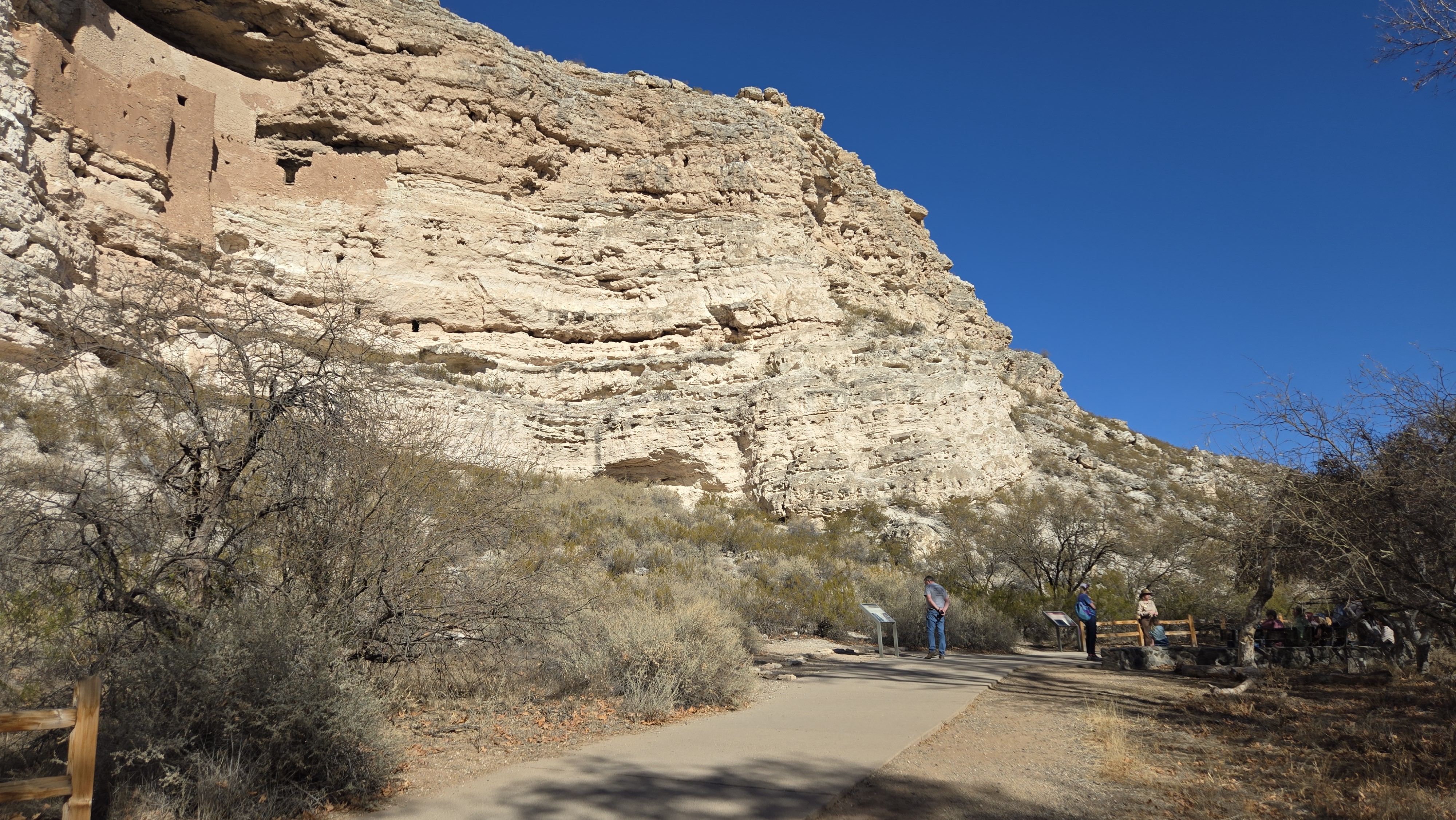
According to the monument's accessibility guidance, the main route is paved and the site is designed so visitors can reach the primary viewing area without a long, punishing walk. The park's Junior Ranger material adds another layer that matters for family pacing: children are not just passing through the site, they are being invited to notice, observe, and participate. That combination is exactly what makes a short cultural stop feel usable for families with young children.
What the Site's Compact Layout Offers Families
Montezuma Castle is not structured as an endurance destination. The monument's accessibility guidance describes a short paved route and accessible visitor areas, which means families with young children are not being asked to navigate an extended or challenging terrain profile just to reach the main experience. The distance from parking to the primary viewing area is modest, and the route is defined rather than open-ended.
That layout has a specific value for families with stroller wagons. The wagon can come in from the parking area, support the walk to the viewing zone, and then serve as a rest and reset point without competing with the terrain. The child can step out at the paved trail section, engage with what the site offers, and return to the wagon when the visit reaches its natural end. The compact structure supports that cycle rather than working against it.
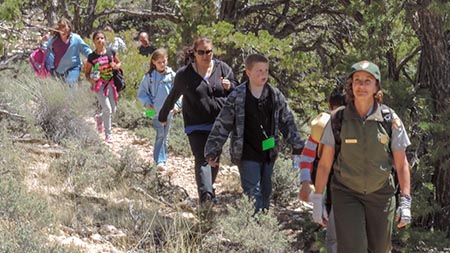
The Junior Ranger material available at the site adds a child-centered layer. It gives younger visitors a reason to slow down and look at specific details rather than simply being moved through the site on adult timelines. That interpretive role changes the character of the stop. Instead of passing through a heritage site, the family has a shared task. The stroller wagon supports the logistics around that task without becoming the center of attention.
Why This Format Suits Families Better Than Larger Sites
Bigger destinations create a specific problem: they ask families to make constant decisions about where to go next, which trail to choose, and whether children are managing the distance well. Those decisions consume energy that could otherwise go toward the experience itself.
Montezuma Castle removes most of that overhead. The path is clear. The destination is visible. The visit has a natural arc from arrival to viewing area to return. For families who often feel like they are renegotiating the outing at every turn, a site with a defined beginning, middle, and end is a real relief.
That clarity also lets adults pack more lightly and more rationally. A water bottle, hat, layer, and snack are likely enough for the stop. The shorter and more structured the route, the better the wagon stays proportionate to the outing rather than becoming the largest object in the parking lot.
Keeping the Stop Proportionate to the Setting
Even with accessible features and a compact layout, families should avoid treating Montezuma Castle as automatically effortless. Arizona conditions — heat, sun exposure, and afternoon temperature shifts — can affect any stop in ways that a paved route does not resolve on its own. Checking current conditions, crowd levels, and any temporary route changes before arrival is worth the preparation.
The most useful mindset is to let the monument be the center of the stop rather than one part of a longer day. Adding multiple ambitious stops on the same road trip often leads to the Montezuma visit being rushed rather than experienced at the pace that makes it meaningful for children. As a single anchor stop on a drive, it tends to work well. As the fourth stop in an overstuffed day, it is harder to appreciate.
The stroller wagon's best role here is as a support tool for a short, thoughtful visit — not a reason to bring more supplies or try to extend the outing beyond its natural length. The stop will likely feel better if it ends before the family is fully depleted and while children still have attention left for the return walk.
Sarah Johnson
Senior Editor
Parenting expert and stroller wagon enthusiast with over 10 years of experience in testing and reviewing baby gear.
Tags
Sarah Johnson
Senior Editor
Still have questions?
Can't find what you're looking for? Our team is here to help! Whether you need clarification, have a specific question, or want to learn more about our services, we'd love to hear from you. Let's get you the answers you need.
Contact usFAQ
The monument's accessibility guidance describes a short paved route and accessible visitor areas, which suggests it can be a practical stop for many stroller users, but families should still confirm current conditions before arrival.
Short, well-defined stops can often work better than ambitious full-day outings because the wagon supports the transition, snack, and rest portions of the visit without turning into a burden.
Stay Updated
Get the latest stroller wagon industry news, trends, and insights delivered to your inbox weekly.
No spam, unsubscribe anytime. Read our privacy policy.